
Agentic Retrieval Systems in AI: A Comprehensive Overview
Jaidev Yadav
Share
Agentic retrieval is revolutionizing how AI systems access and utilize data. By implementing advanced techniques such as Retrieval-Augmented Generation (RAG) and composite retrieval systems, organizations can enhance data retrieval efficiency. This article explores various agentic retrieval techniques, the features of the LlamaCloud API, and its function in modern retrieval strategies.
Understanding Agentic Retrieval Techniques
Agentic retrieval techniques have changed significantly, particularly with the introduction of RAG (Retrieval-Augmented Generation). This method has transitioned from basic chunk retrieval to more advanced strategies that enhance data retrieval efficiency in AI systems. AI engineers must be familiar with advanced techniques such as hybrid search, CRAG (Contextual Retrieval-Augmented Generation), and Self-RAG to effectively use these capabilities.
Naive Top-K Retrieval Explained
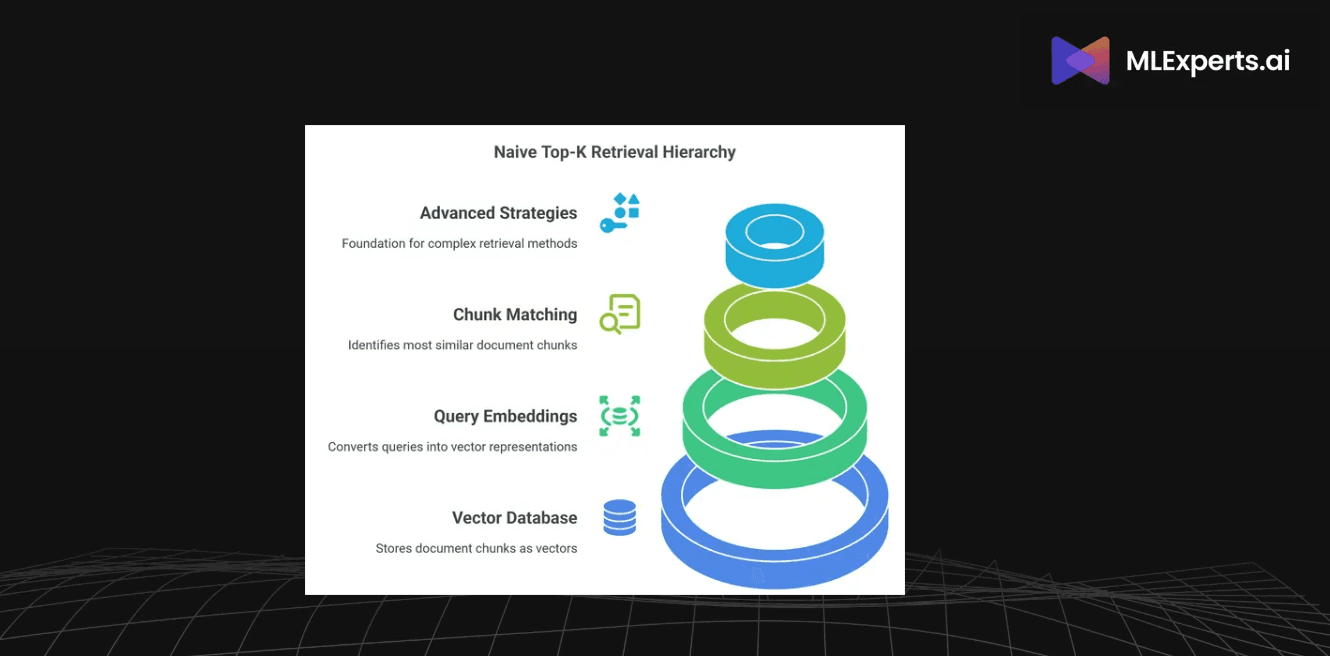
Naive top-k retrieval acts as a foundational method in agentic retrieval systems. In this approach, document chunks are stored in a vector database, and query embeddings are matched with the most similar chunk embeddings. This method is important for understanding more advanced retrieval strategies and shows the significance of embedding techniques in AI.
Advanced Retrieval Modes Overview
- Filename-Specific Queries: Used when a query references a specific filename.
- General Topic Inquiries: Used for broader questions not referencing specific files.
Utilizing the LlamaCloud API
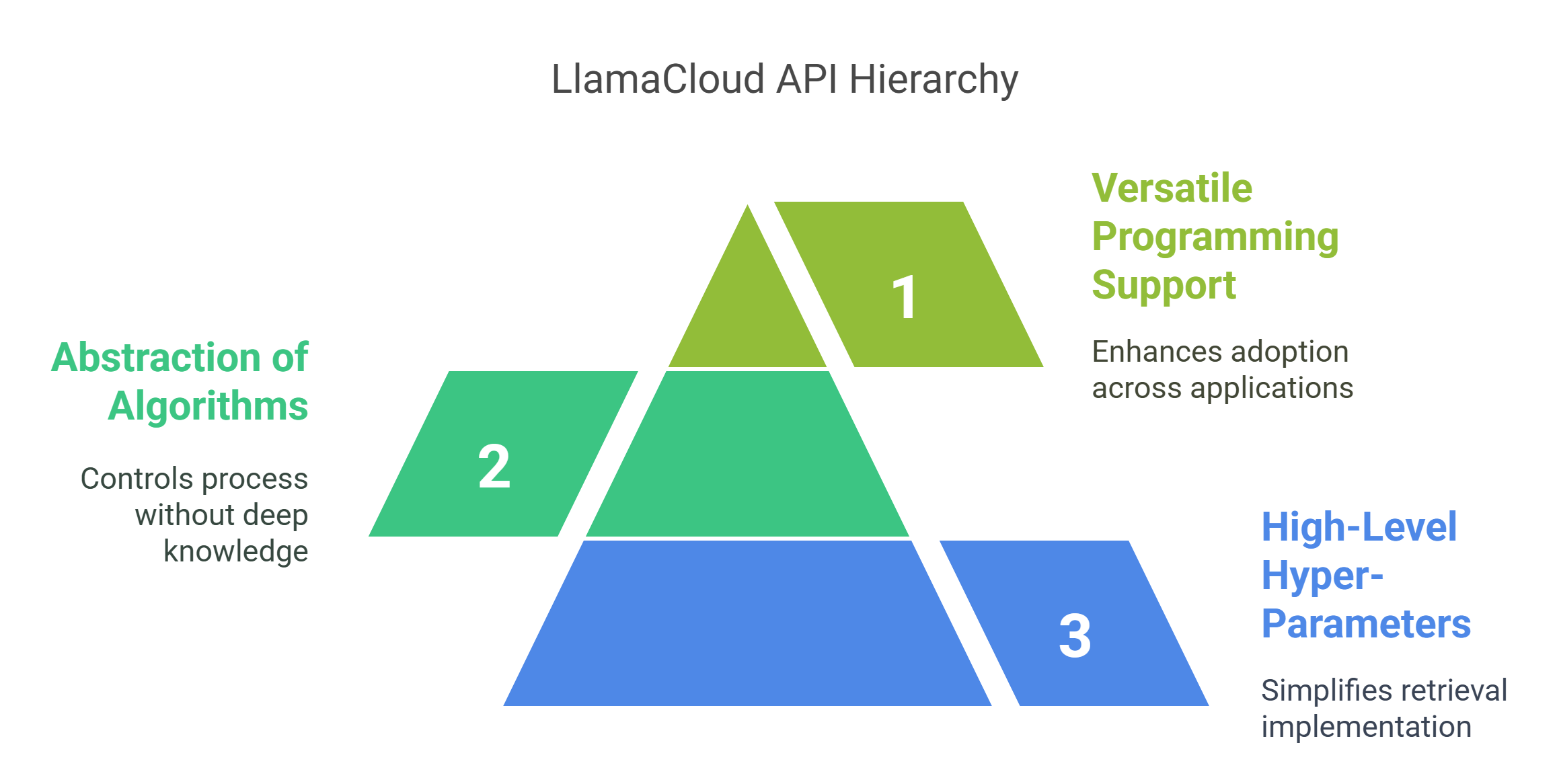
The LlamaCloud API simplifies the implementation of advanced retrieval techniques by exposing high-level hyper-parameters. This abstraction allows developers to control the retrieval process without needing extensive knowledge in the underlying algorithms.
Building a Composite Retrieval System
Composite Retrieval APIs enable retrieval from multiple indices, optimizing search capabilities across diverse document formats. A lightweight agent layer within the Composite Retrieval API intelligently routes questions to the appropriate sub-index, enhancing the overall efficiency of the retrieval process.
Benefits of Composite Retrieval Systems
- Improved Accuracy: LLM-based classification helps target relevant sub-indices for specific queries.
- Enhanced Efficiency: Multiple index access ensures quicker and more reliable data retrieval.
Implementing Multi-Index Retrieval
Organizations can optimize parsing and chunking configurations for different document types, ensuring each subset of documents is handled appropriately. This is particularly useful in industries like finance and legal services.
Optimizing Knowledge Bases with Agents
Agentic systems intelligently route retrieval decisions at each layer, improving performance and user satisfaction in complex data environments.
Final Thoughts
Agentic retrieval techniques significantly enhance AI systems. The LlamaCloud API and composite retrieval systems offer intelligent query handling capabilities, essential for modern AI applications.
Frequently Asked Questions
What are the key benefits of RAG techniques in AI?
RAG techniques enhance AI models by integrating information from relevant data sources, improving accuracy and reliability.
What features of the LlamaCloud API improve data retrieval efficiency?
It simplifies retrieval processes by exposing high-level hyper-parameters, making it easier to tune strategies.
What advantages do composite retrieval systems offer for handling diverse document formats?
They improve accuracy and efficiency by enabling search across multiple indices.
What are the key features of hybrid search methods in AI?
They combine vector-based and full-text search for comprehensive retrieval.
How do multi-modal embeddings enhance data retrieval in AI systems?
They allow AI to process and understand various data types, improving search result relevance and accuracy.